
by Priya Murmu
You flop down on the couch with the laptop on the coffee table, glance at the document in front of you, read the same sentence for the nth time, trying hard to make sense of it, and delete and rephrase. Thirty minutes fly by, and the sentence doesn’t read any better. Before you know it, it’s already past midnight and you haven’t made much editing progress. There’s an email sitting in your inbox about revision discussions that you still haven’t responded to. And you totally forgot to finish proofreading the historical fiction manuscript that is due at 9 a.m. the next day. Sound familiar?
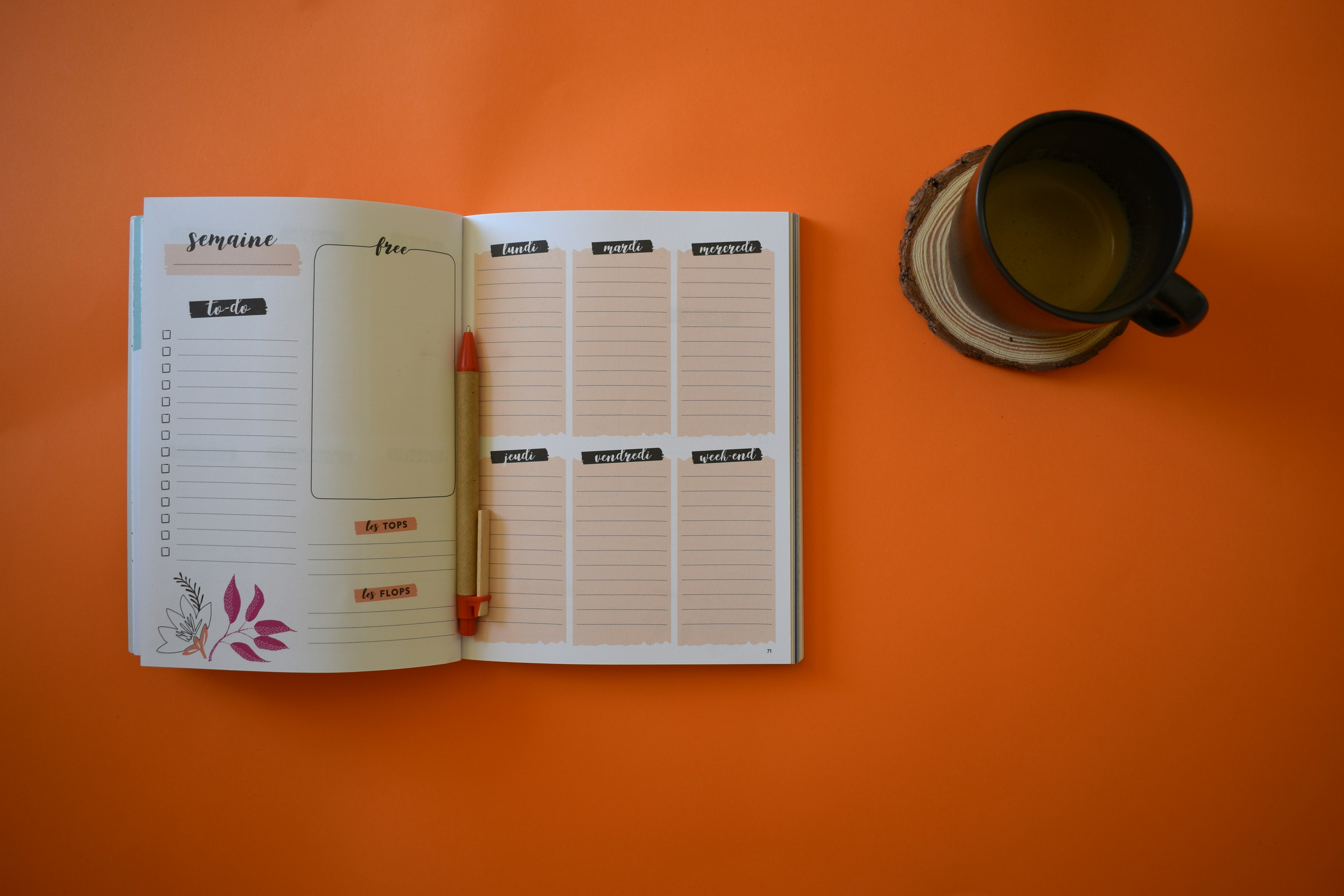
Editing is a multi-layered process. There are countless tasks – editing manuscripts, leaving notes for authors, responding to emails, preparing quotes, checking style guides, tracking deadlines, and sending invoices.
All of this requires deep focus. It took me years to understand that editing is not about rigid scheduling; it’s about creating an environment for yourself where you can immerse yourself in the work without distraction.
Here are some tips that have helped me manage my editing time better:
1. Understand the scope before starting with the edit
I used to dive straight into editing as soon as I opened a document. For a long time, I felt it was the way to go about working – the document was there, and the deadline was set.
What I didn’t understand was that it was making me inefficient. Sometimes, I’d revise a whole paragraph only to realize later that I was making the edits for the wrong audience. On other occasions, I’d address a structural issue and then discover a style guide that would have changed my editing approach entirely, or make major edits when the client wanted a light pass. I was actually putting time into edits that I would eventually undo.
With a lot of trial and error, I learned how crucial it is to understand the nature and scope of the project before starting the actual work. Now I spend 10 to 15 minutes at the start to ask myself some basic questions. Who is the audience? What is this piece trying to do? What type of edit is needed? Is there a style guide? This sets a clear direction and improves both quality and pace. I also send clients a short scope document before we begin so we’re fully aligned.
2. Avoid the over-editing trap
This is something I wish I had understood earlier: over-editing is a real trap. It is not just a style issue; it also wastes time. When you make too many changes, whether reworking sentences that are already clear, changing words based on personal preference, or shifting the tone closer to your own voice, you are adding extra time to the project that you don’t immediately see. Often, the author reads the edit and feels something is off, or the subject matter expert comes back saying the meaning has shifted, and you end up with another round of revisions that could have been avoided.
Restraint is particularly important for keeping the process efficient while working with technical content. You need to ask yourself whether you are improving clarity or if you are just editing to make the text appear fancier.
As an editor, your goal is to improve clarity without changing what the content is trying to say. Knowing when to leave something as it is saves a lot of time in the long run.
3. Follow a structured workflow
My workflow follows a clear sequence: skim, developmental edit, copy edit, and proofread. Your workflow might look completely different. Perhaps you specialize in copy editing, or you handle only developmental edits. Not every project I work on requires all four stages either. What matters is having a logical structure that matches the scope of the work you’re doing.
I always begin with a skim, focusing on understanding the document as a whole rather than making changes. This gives me an early sense of the document’s structure, length, and complexity. It also helps me spot obvious issues before I start deeper editing.
From there, each stage has a specific focus. Developmental editing looks at flow and logic across sections, copy editing focuses on sentences, and proofreading is for final refinements.
This structure helps me manage time more effectively because each stage has a clear purpose. It prevents overlap between tasks that require different levels of attention, and it allows me to move through a project in a more organized and predictable way.
4. Keep buffer time handy
One of the most valuable lessons I’ve learned is to always allocate more time to the project than you think you’ll need. Buffer time isn’t wasted time. It’s a realistic acknowledgement that editorial work has variables that only get revealed once you begin the process. Indeed, it acts as a safety net against changing project scope, delayed responses, revised briefs, and documents that turn out to be far more complex than initially expected.
5. Communicate clearly with authors and subject matter experts
More than you realize, you might be spending a lot of time in back-and-forth communications with authors and subject matter experts, whether it’s sending queries, waiting for clarifications, chasing responses, or revisiting decisions that were not settled in the beginning.
In my day-to-day work, I document my queries carefully and send them in an organized way. I also share relevant guidelines with subject matter experts early, so they understand what the editorial process involves and what is expected of them. Clear communication upfront prevents rounds of corrections later.
6. Know when you’re most productive
For every editor, the time when they have the highest focus can differ. I make a deliberate effort to utilize my hours intentionally. Tasks such as developmental editing, line editing, copy editing, checking references, or reviewing complex arguments require high precision and full concentration. On the other hand, lighter tasks such as responding to emails, organizing files, or preparing notes can be handled during low-energy times.
I devote my mornings to structural review or developmental editing when my mind is fully alert and attentive. Midday is for more language-focused work, like copy editing and refining clarity. By the afternoon, I move to lighter tasks, such as final proofreading, handling queries, and documentation.
Working with your natural energy rather than against it makes the day feel less forced and the work more manageable.
7. Keep a checklist
Organizations usually track work progress across a team through tools such as Microsoft Planner or a Monday.com board. If you have access to those, use them fully. Otherwise, you can always make notes in a notebook or use a spreadsheet. The type of tool doesn’t really matter. The main idea is to have a visual board where you can actually see where your project stands at any point.
Using a checklist has been invaluable in my editorial work. A checklist helps me envision what my day actually looks like. I get a clear picture of tasks at hand, whether there are three copy editing projects in the pipeline or one query that needs my response.
8. Have a dedicated workspace
Setting up a proper workspace changed how I work. Before, I worked with my laptop from the couch, the kitchen counter, even the bed. I thought I was being flexible, but in reality, I was constantly distracted. I was available for everything around me while trying to edit, which meant tasks took longer than they should have.
A dedicated desk setup with a proper chair signals to everyone (including me) that it is work time, not casual time. I added a second monitor, and it made a practical difference. I can keep the document open on one screen and refer to sources, style guides, or notes on the other. It saves time switching between tabs and helps me stay focused on the task.
Editors talk about protecting focus but often ignore the physical conditions that make focus possible. Where you work shapes how you work.
9. Use technology tools for routine work
Using Grammarly as a part of my workflow has been a huge help. It does not replace editorial judgement. I use it as a first pass to catch basic grammatical and mechanical errors. It flags small things that I might miss, especially when tired, and it helps me focus better on parts that need careful thinking. Technology won’t do the editing for you, but if used well, it can take care of some of the routine work.
These are the strategies that work for me. Yours might look different. What matters is recognizing your own patterns – when you have the highest focus, what drains your energy, and what helps you stay on track.
The goal is not to achieve perfect efficiency. It’s creating conditions where you can do good work without burning out. Managing time for your editing work isn’t about controlling every variable. It’s about working with the variables you can control.
If you’re reading this late at night with a deadline looming, start with one small change. Take a few minutes to understand the scope before you begin or plan your time a bit more realistically next week. Small shifts make a big difference. Some days will still feel messy. But with a few steady practices, that mess becomes easier to handle. And that, in itself, is progress.
What time management strategies have actually kept you productive and focused? Drop them in the comments. I’m always learning from fellow editors.
Priya Murmu is a writer and editor with a master’s degree in creative writing from Loughborough University, England. With over eight years of experience across the e-learning and education sectors in India, the UK, and Canada, she brings a strong focus on clarity, structure, and precision in content. She is currently a Learning Content Editor at the University of Fredericton, where she works closely with subject matter experts to develop, refine, and structure learning materials, incorporating instructional design principles. Based in Fredericton, New Brunswick, Priya writes contemporary fiction, poetry, and personal essays that explore modern life with nuance, tracing its quieter details. She can be found on Medium and LinkedIn.
This article was copy edited by Alex Benarzi, a holistic freelance editor in Mohkinstsis (Calgary). Alex works primarily with fiction, creative non-fiction, and academic writers. Alex is passionate about accessibility in the editing and literary industries and is dedicated to creating inclusive, affective communities between writers and editors.


