
by Lola Opatayo
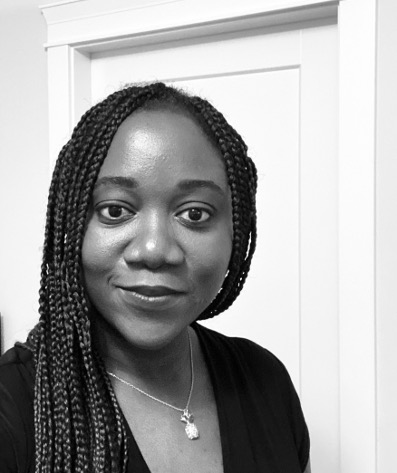
When my family and I immigrated to Canada, I decided to focus on my editing career. However, I worried that the challenges would be too great and that it would be a long, lonely road. My fears were based on some myths; below are some of these myths and the ways I dispelled them.
To tell you how I continued my editing career in North America, I must start at the beginning.
People like me: Editors
I first became interested in professional editing while studying for a master’s in communications and language arts at the University of Ibadan. The program included a publishing course, and our small class took a trip to a publishing house in the nook of New Bodija: BookBuilders Editions Africa. It was there that I first met editors.
There they were, crafting words, eyes glued to the screen. I couldn’t believe there were people like me who enjoyed working with words and earned a living from it. While I continued my studies, I wrote a letter indicating my interest in working with them. After an interview and assessment, I began to work with BookBuilders on and off for about two years.
BookBuilders specialized in academic papers and biographies. As an editorial intern, I learned how to copy edit, proofread, and lay out documents. I also learned to work with academics and other word enthusiasts. BookBuilders was owned by an American, and this added another layer to my experience.
Editing as one of my things
After my family moved to another city, I continued editing (in conjunction with other work) over the next seven years. During this time, I gained proficiency in editing fiction and also edited self-help books and business communication. I worked with Narrative Landscape Press and the Society for Book and Magazine Editors of Nigeria.
It was during these seven years that I grew as an editor; I discovered my strength in organizing content and massaging words until they felt right. And while I wasn’t watching, editing wriggled itself safely into my palm. It became one of my things. People saw it, too, and soon began to ask, “How do I write a book?” “Can you coach me?”
I started a creative writing course, which led to developing courses for others.
During this time, I also developed my writing skills and became known as a fiction writer. I self-published some of my work, and others were featured in literary journals. To my delight, I received awards from the Iceland Writers Retreat and MacDowell.
Back to editing.
In hindsight, I had nothing to be worried about, but here are the myths that almost deterred me from pursuing my editing career when I arrived in Canada.
Myth 1: I am not a “native English speaker”
Anyone who has worked in certain countries and tried to get a job on freelancing sites will recognize this phrase. It’s the phrase you hear when clients will not consider working with freelancers whose first language isn’t English because they assume they cannot effectively write or edit in English. This barrier, while understandable in some instances, summarily tells a freelancer of Nigerian descent (for example) that they lack the skills to edit or write content for native English speakers.
This myth replayed in my mind as I sent in applications for editing jobs. So, I decided to quell my concerns with knowledge by enrolling in the editing program at Simon Fraser University. Until then, I had not received formal training in editing, so this was an opportunity to update my knowledge and understand the Canadian publishing landscape.
Myth 2: Canadians communicate differently, so editing their work may be difficult
While this is true in some respects (for instance, Canadian spelling), there’s nothing I have not been able to learn. Resources abound to clarify style choices, and a quick search will often produce the right answers.
As I began working as an editor in Canada, I invested in writing and editing resources. I also started to pay close attention to how Canadians speak to get a sense of their speech pattern and how this flows into their writing.
Another thing I quickly understood as I began to study is the care that is beginning to be taken when writing about Indigenous Peoples in Canada. So, again, I studied (and continue to study) preferences for communicating about Indigenous Peoples. As someone who never had to worry about marginalization in my home country, this demanded a considerable awareness of the struggles of Indigenous communities. You can’t edit respectfully if you don’t care to understand the people.
Myth 3: I will be lonely
As an editor in a new territory, finding communities I could join was crucial.
To be honest, I didn’t find many support groups; I even had to create one. However, I think this had more to do with the reclusive nature of editors than the editing community in my province. To combat this, one of the things I did was join Editors Canada and get involved in the Editors British Columbia branch. Volunteering has, by far, been the most helpful way to connect with other editors. I started volunteering as a writer and editor for West Coast Editor, and after about a year, I joined the executive as the publications chair and managing editor of West Coast Editor.
Volunteering has exposed me to the inner workings of managing an editing community. I work with my co-executives to advance the editing profession in our province and produce professional development offerings that help editors to sustain their businesses and grow in their craft.
Today, I continue to work as a communications professional and am growing my editorial and communications consultancy business. I’ve also started a podcast to extend a lifeline to creators on the journey of their artistry. If you’re considering moving to Canada to continue or start a career in editing, please know you can succeed. You’ll be fine if you’re open-minded and have a mind to serve.
Lola Opatayo is a communications and literary services professional. She has received awards and fellowships from the Iceland Writers Retreat, MacDowell, and Editors Canada.
She is the founder of WordCaps, where she empowers writers with writing strategies and resources, and the host of the Journey of the Art podcast, where she tells inspiring stories of artists.
Connect with her on Threads, Instagram, and LinkedIn.
This article was copy edited by Jolie Wong, an editing certificate student at Simon Fraser University with a specialization in scientific and production editing.

 BoldFace
I enjoyed reading about your editorial journey from Nigeria to BC. I’d just like to add some context to your remark about “the care that is beginning to be taken when writing about Indigenous Peoples in Canada.” In 1991, I was on a team that wrote, edited, formatted, and proofread the Style Guide for Studies for the Royal Commission on Aboriginal Peoples, which we also applied to the studies we later edited for the Royal Commission. We did take care even then to be respectful and caring. The terminology we adopted was au courant at the time. Of course, we’ve come a long way since then and will never stop improving.
LikeLike
Hi Sharon, thanks for your comment on this. In much earlier drafts (which BoldFace’s editor did not see/read), that sentence was phrased differently, but I deferred to editorial suggestions to tweak it, thinking that my knowledge of the situation (as an immigrant) was perhaps inaccurate. Lesson learned for the future!
My intention was not to undermine anyone’s efforts, and I appreciate you sharing your experiences on communicating respectfully about Indigenous Peoples.
LikeLiked by 1 person
Hi Lola, I was inspired by your blog post because your story demonstrates so many characteristics of what it takes to be successful in editing (and doubtless other endeavors too). You were never afraid to take on new subjects and challenges. You expanded from editing academic papers to editing fiction, self-help, and business communications. You didn’t stop at editing but became a writer and even developed creative writing courses! Your post shows the value of getting professional training and becoming part of the professional community through Editors Canada and Editors BC. You are a tremendous role model with your volunteer work and your eagerness to take on new challenges at every stage of your career. Thank you for sharing!
LikeLiked by 1 person
Thank you for your kind words, Nancy! 🙏🏽
LikeLike