In this series, editors share their experiences, insights, and tips on the practical aspects of working as an editor. In some of our previous “Editors Advise” instalments, our contributors have shared their thoughts on various topics, including professional development and training for editors and advice for those seeking an in-house position. For this edition, five editors tell us a bit about their editorial niches and how they chose them. (Be sure to check out Editorial Niches (Part 1) for more great advice!)

What is your editorial niche, and why did you choose this area?
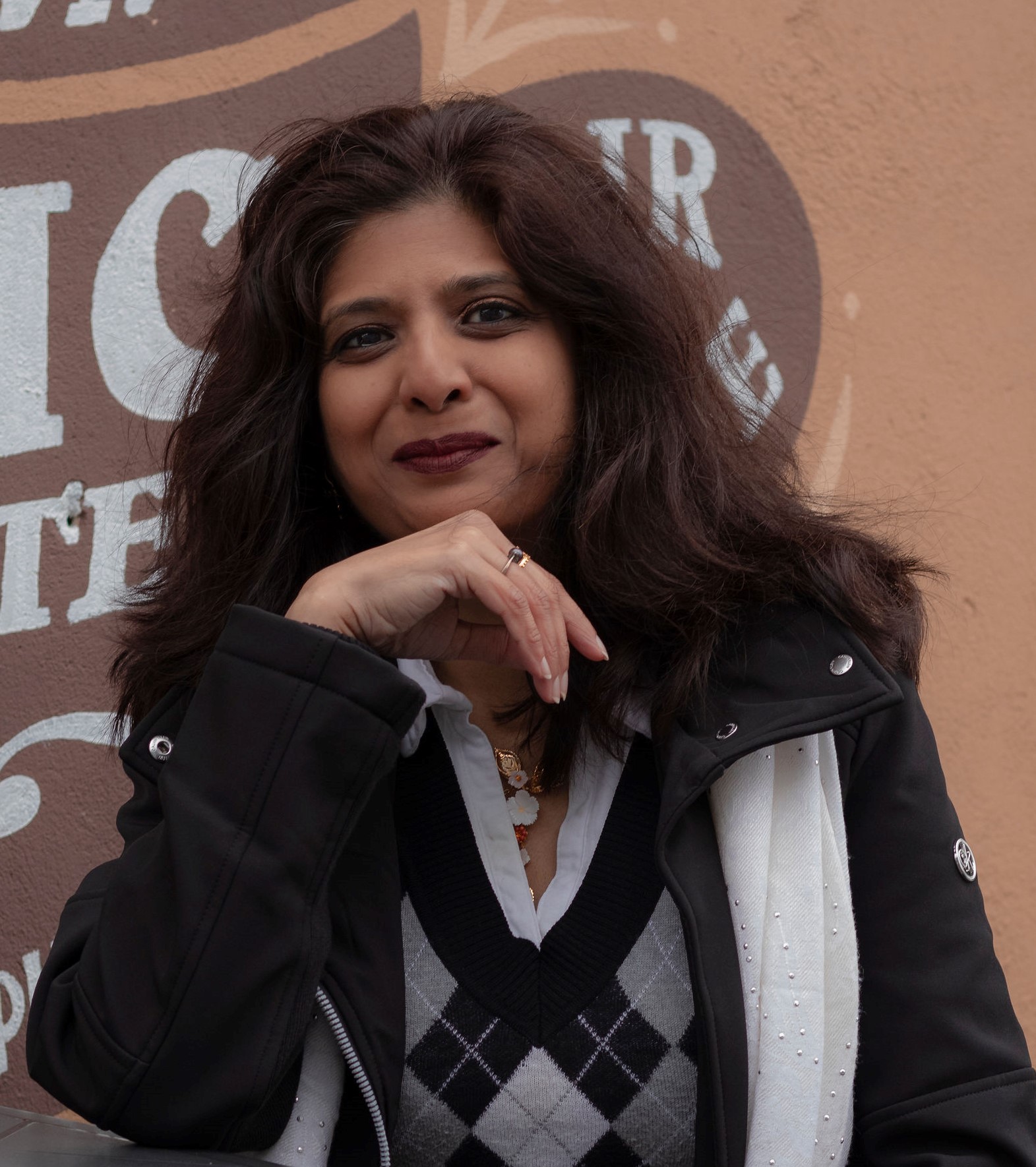
Amber Riaz, PhD, consultant for the Independent Evaluation Group at the World Bank Group and editor at A4 Editing who specializes in academic copy editing
My editorial niche is academic copy editing. I am happiest when I am working on scholarship by and about South Asian Muslims, but I have worked on scholarship in fields as diverse as economics, translation, decolonization, feminism, social justice, and political science. I work mostly with independent and academic publishers but have also worked on dissertations by graduate students.
Choosing an editorial niche was the hardest thing I have done—I started off as a generalist and have a passion for fantasy fiction and memoir editing—but I decided to choose academic copy editing because I have years of experience teaching academic writing and research skills to college students. I traded one form of precarious work (sessional teaching) for another (freelancing) when I decided to switch careers.
Finding editorial work in academia was slightly easier because I had contacts in the field already. My first couple of jobs were editing dissertations, until I established industry contacts through volunteering for Editors Canada. It was easier to get referrals when I introduced myself as an academic copy editor and talked about my specialization—anti-racist, decolonial, feminist scholarship by multilingual authors.
Identifying my editorial niche was not easy, in part because my experiences with academia were tinged with feelings of remorse. I didn’t realize it at the time, but I was grieving the “loss” of the dream of becoming a tenured professor. What I’ve realized now is that the experience of teaching college students how to write in and for academia is precisely what makes me a strong academic copy editor—I understand how scholars think, and I know how important it is to publish a certain number of articles to stay on the tenure track. This helps me communicate with authors and publishers efficiently. In other words, choosing your editorial niche depends both on the experience and knowledge you bring with you and the type of work you enjoy working with the most.
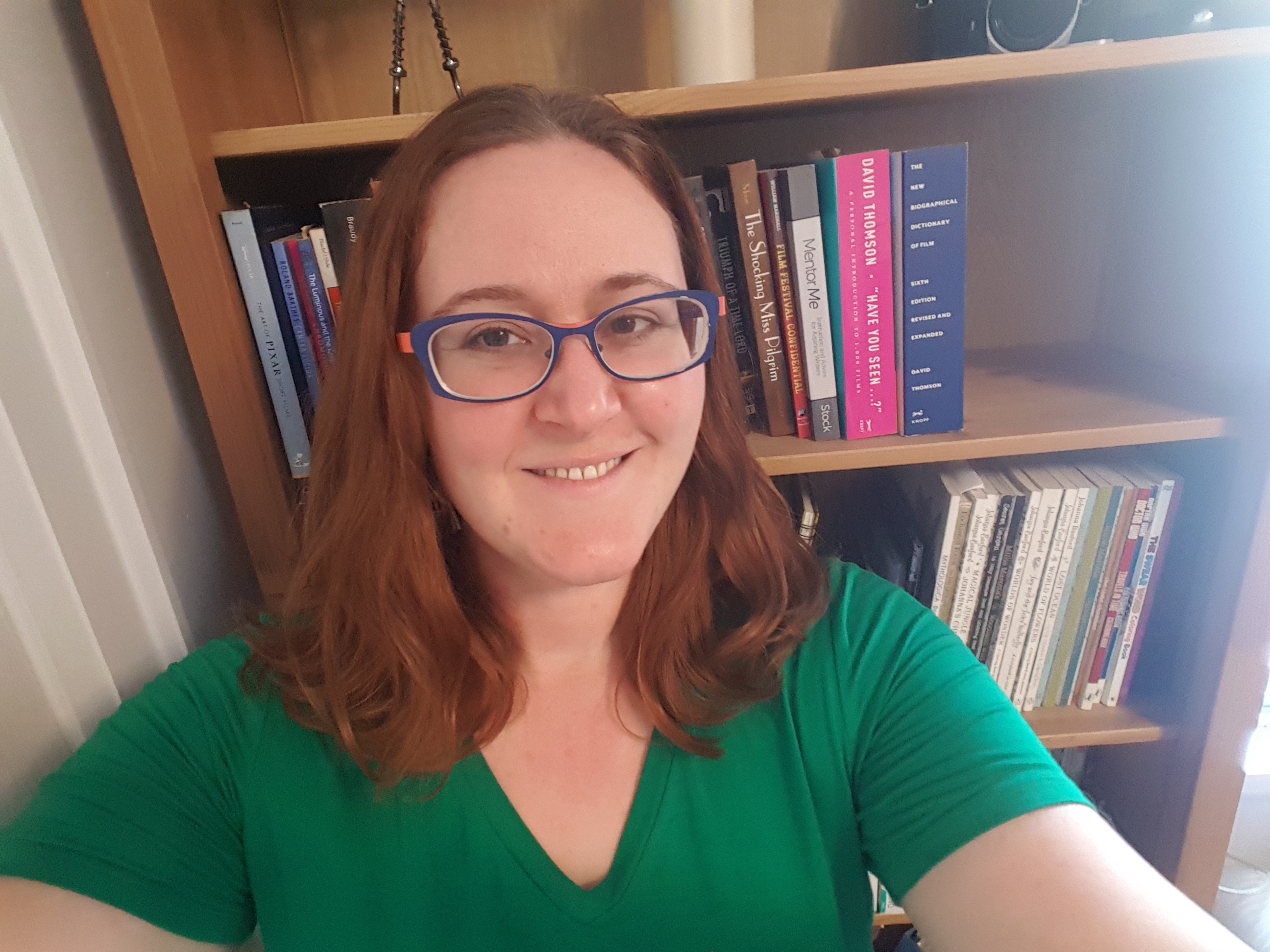
Amanda Clarke (she/her), freelance structural and copy editor
I specialize in science fiction, fantasy, and YA. I chose these for two reasons. 1) It’s what I like to read so it makes the editing work more enjoyable, and they are genres that I know inside and out. 2) I got an internship at a small fantasy press when I started editing, so it’s the genre I had the testimonials from. The more I work with speculative fiction, the more I enjoy it. It’s such a diverse and interesting genre set that I’m never bored. This gives me the variety I crave in my work.

Berna Ozunal, Ottawa-based certified professional editor, editing instructor at George Brown College Continuing Education, and co-chair of the standards committee
I don’t have a niche, really. I’m more of a generalist in the types of editing I do, the content I work on, and the materials I edit. I’ve worked on all types of materials—grey literature, menus, examinations, TV and radio scripts, packaging. The list goes on and on. And I’ve worked on content across many different subjects and sectors. There was no conscious decision here—I just ended up working on different things at different times. I think this has helped me become a better editor, as I can bring different perspectives to what might be specialty areas for other editors. All editors are curious, but as a generalist, it’s absolutely ideal. I get to keep learning and building new knowledge and skills.
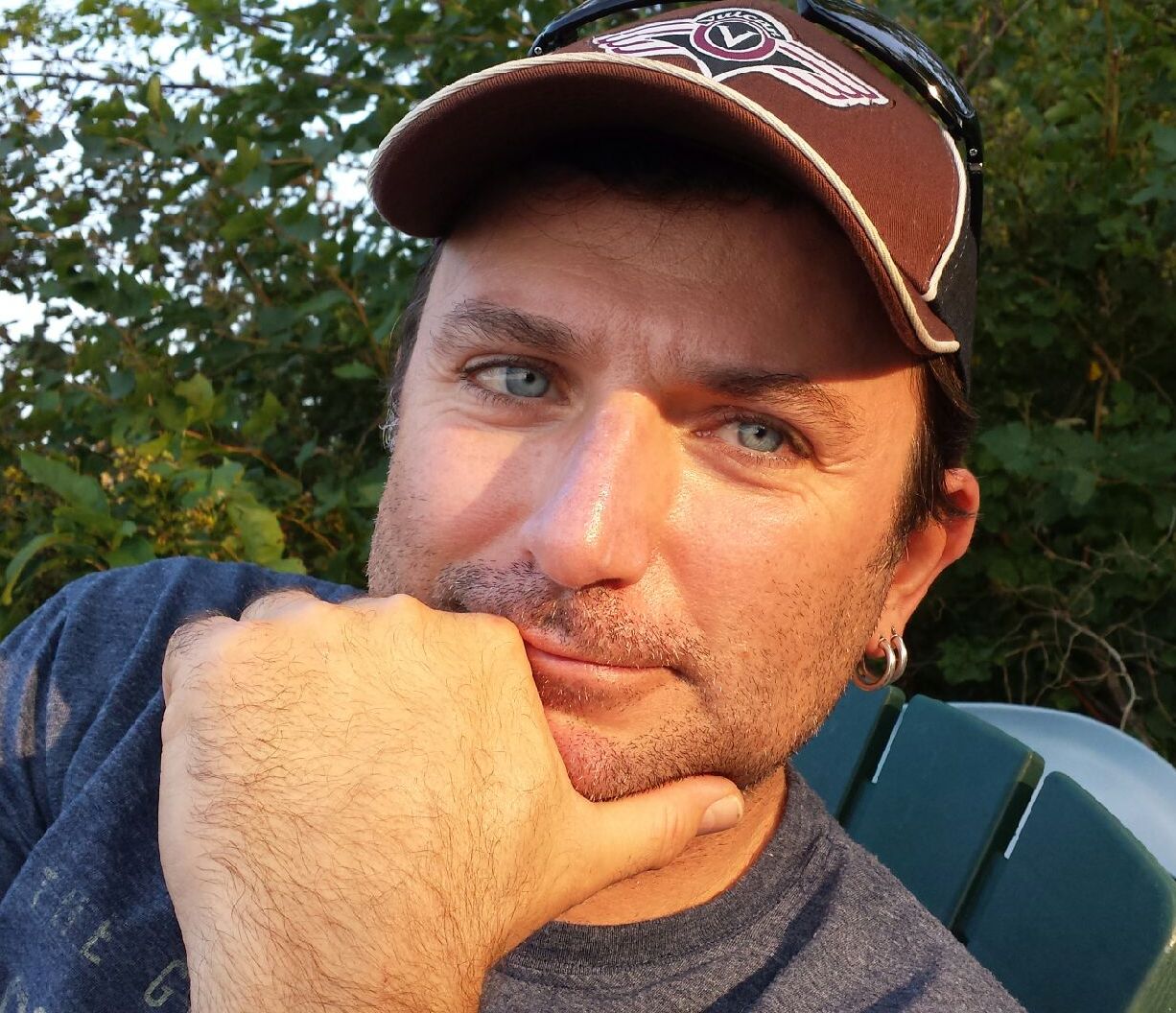
Mike Madill (he/him), writer and editor (specializing in poetry)
For more than 15 years, I was blessed to belong to a weekly writing group led by long-time Canadian poet, Barry Dempster. Ever a consummate craftsman, he taught me invaluable lessons about not only how to write a poem, but how to revise it and improve it until it’s the best it can possibly be. What’s the best word for a particular image? Does it help carry the poem’s tone or contradict it? Ultimately, what is the poem trying to say? This outweighs whatever the writer believed they set out to address. Music and muscle make the page come alive, and I love the revision process that takes us there.

Kelly Laycock (she/her), publishing and editorial professional
I am a freelance book editor working mostly in the humanities, social sciences, history, and environmental non-fiction. Although I primarily copy edit and proofread for publishers, I have also worked on dissertations, audio books, indexes, photo research and permissions, accessibility text, and transcription, among other things. I’m very lucky to have gained a broad range of skills that I can now apply to any project that comes my way.
Does anyone really choose what type of editing they do? An editor just starts correcting other people’s grammar and they’re in! I was lucky to start my career in children’s book publishing as a warehouse manager, eventually working my way into the editorial department. Next, I worked in legal publishing—quite the change! This all led me to working at an academic press as a managing editor. Each experience added to my skill set. Each experience helped me better understand what I enjoyed and what I didn’t. But they are all experiences I am fortunate to have had.
Book publishing has its high and low seasons, and so every month is different in terms of the quantity of projects that come my way. Freelancing is not for the faint of heart, but it does offer a lot of flexibility. I’m finally at the point in my career that I get to choose what I work on, which means I’m excited by almost every project I collaborate on. I get to work with great authors and great presses. I feel like I’ve hit the jackpot!
This article was copy edited by Vaani Sai, a writer and editor who is passionate about neuroscience and the psychology of language. She writes about health and wellness and sustainable travel.

 BoldFace