
In this series, editors share their experiences, insights, and tips on the practical aspects of working as an editor. In some of our previous “Editors Advise” instalments, our contributors have shared their thoughts on various topics, including advice for newer editors and formatting your résumé. This edition focuses on Editors Canada’s mentorship program.

One of the best ways to develop skills in any field is to have a mentor who shows you the ropes. (It also prevents you from learning some lessons the hard way!) Editors Canada offers the John Eerkes-Medrano Mentorship Program as one of its member benefits. We were curious about the concept, the process, and how well it worked, so we spoke to Jenn Rossiter, chair of the mentorship committee, and a few mentors and mentees who were willing to share their experiences. In this first instalment, we focus on mentees.
How it works
It’s not complicated to join the program. Members interested in being mentored fill out an application form available on the Editors Canada website (member portal). The mentorship committee then reviews their interests, strengths, objectives, and so on. Based on this assessment, they match mentees to potential mentors. The pair are encouraged to book a brief chat to determine whether they are a good fit based on their goals, skills, and experience. If both parties are happy, they’ll sign an agreement and begin!
The program has two levels: Level 1 matches run for 4 to 5 hours over approximately a month, and level 2 matches run for 10 to 15 hours over approximately 2 months. There is a nominal program fee, which covers administration costs and a modest honorarium for the mentor.
Who can be a mentee?
First and foremost, mentees must be members or student affiliates of Editors Canada. It’s best if applicants already have a bit of editing experience: approximately six months working for employers or the equivalent of freelance assignments, some of which can be as a volunteer. Coursework and classes can also count toward this. Many mentees are students in a certificate program or would-be editors in the midst of career transitions.
Mentors help mentees with networking support, general skill-building, job application support, industry insight, training advice, and the like.
What do previous mentees say?
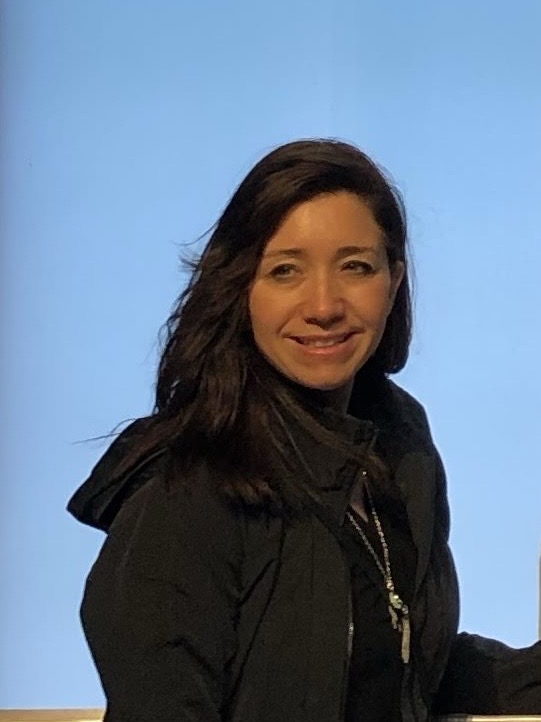
Jamie Banks, Editor
Jamie is a copy editor and proofreader who works primarily across non-fiction and professional content, although she does edit some fiction and children’s literature. In the long term, she’s looking to build a sustainable freelance business, eventually hoping to do more developmental editing, so she can jump in earlier and help authors shape their work from the ground up.
On which aspects of editing did you seek mentoring?
I wanted to know about best practices, smarter workflows, better efficiency, and confident client communication. I was making the leap from work in primarily public service jobs to freelance life, so learning how an experienced editor solves problems, finds work, and works directly with clients was a big draw for me.
How did you experience the process?
The mentorship was a collaboration process. I got to bring real questions, real projects, and real challenges, and leave with clear, useful feedback I could actually apply. It boosted both my skills and my confidence.
Would you recommend the mentorship program to other editors?
Absolutely. It fast-tracks learning, cuts through uncertainty, and reminds you that the struggles of starting out in a new career are normal and totally manageable.
Anything you would like to add about the program?
The mentorship program was a truly valuable professional experience, and I’m grateful to have learned within such a supportive community of editors. Programs like these, supported by Editors Canada, help shape the profession.

Marlies Sargent, Freelance Fiction Editor
Marlies offers editing services to indie fiction authors, with a special interest in romance and fantasy. She provides a range of services, including collaborative editing for newer authors that allows for more ongoing feedback throughout the editing process. She enjoys the relationships she’s able to build with her clients through freelancing, and has the privilege of working with repeat clients. She looks forward to working with new clients and seeing her business grow.
On which aspects of editing did you seek mentoring?
As a newer editor (only working for about four years), I wanted to get some mentorship around my business practices, the services I offer, and my editing efficiency.
How did you experience the process?
The experience was very helpful and allowed me to take a closer look at how I run my business, how I talk about my editing services to clients, and how I can become more effective and efficient in my editing process. I met with my mentor once a week for four weeks, each week looking at a different topic. Together, we looked at my editing process for the different services I offer and discussed ways I could become more effective and efficient, thinking about how to create a career that provides longevity and avoids burnout.
I found it helpful to look at my business practice from a new perspective, and to get feedback on how to clarify my skills and make sure that I was communicating my services clearly to my clients. Working with my mentor helped me improve my editing services and process. The mentorship provided me with more confidence to communicate with current and future clients. It helped me figure out what it is that I actually offer with my different editing services, based on Editors Canada’s definitions of editorial skills. We also looked at a way to grow my freelance editing business based on my values and my business goals.
Would you recommend the mentorship program to other editors?
I would definitely recommend working with a mentor. It was like having a peek behind the curtain. It was great to talk about editing with someone who offered similar services to similar clients, and to see how they run their business. As someone who loves to edit but doesn’t have formal training on how to run a business, I’m always grateful for meaningful conversations with other editors about how to run and grow a business. I looked forward to our weekly mentor meetings because I left feeling encouraged and inspired.
Anything you would like to add about the program?
I think the mentorship program is an excellent service for any editor who is just starting out, or who is a few years into building their business and is looking for some practical advice on how to build their practice. Sometimes editing can get lonely, and working with my mentor reminded me that the editing community is generous, supportive, and collaborative.

Shivaughn King, Freelance Editor
Most of Shivaughn’s experience is in academic copy editing, and she has worked in a variety of disciplines, particularly in the sciences. However, she is open to editing other types of texts and to developing other skills (such as developmental and structural editing) as she gains more experience in the future. Her educational background is in the humanities, and she would be delighted to edit more texts in those fields.
On which aspects of editing did you seek mentoring?
I looked for mentoring on how to make freelance editing into a stable career, and on whether I needed to fill any gaps in my knowledge before starting out. I also asked for guidance on what resources would be the most useful and cost-effective for me.
How did you experience the process?
During our online sessions, my mentor introduced me to numerous resources that I could use as a freelancer. These included tools for tracking time and setting rates, networking resources, and information on volunteering opportunities, to name a few. By the end of the process, I was using a lot of tools and strategies that I hadn’t been familiar with before starting the program. The amount of information I was given was a bit overwhelming, but I organized it by taking notes during and after the sessions, and now I have a database of resources to draw from.
Would you recommend the mentorship program to other editors?
Yes! Based on my experience with the program, I would say that mentoring can help new editors learn about the resources available to them and figure out how to achieve their career goals. The one-on-one format of the program means that mentees can receive advice that is highly personalized to their needs, while also being based on their mentors’ experience.
Anything you would like to add about the program?
I would recommend having a clear, concrete idea of what you want to learn before applying for the program. You might think of different questions over the course of the program, which you can talk about with your mentor, but going in with a clear plan of what you want to get out of being a mentee will ensure that the sessions are tailored to your goals.
Editors who are interested in applying to become mentors or mentees in the John Eerkes-Medrano Mentorship Program can email Jenn Rossiter or read more on Editors Canada’s mentorship program web page (member portal).
This article was copy edited by Ann Kennedy, freelance copy editor and proofreader.

 BoldFace