
We wanted to give Editors Toronto members and student affiliates another way to get to know their executive committee, while also showing them what is involved in being on the committee. So, we asked executive committee members to introduce themselves and their roles by answering a few questions for our “Executive Unplugged” series.
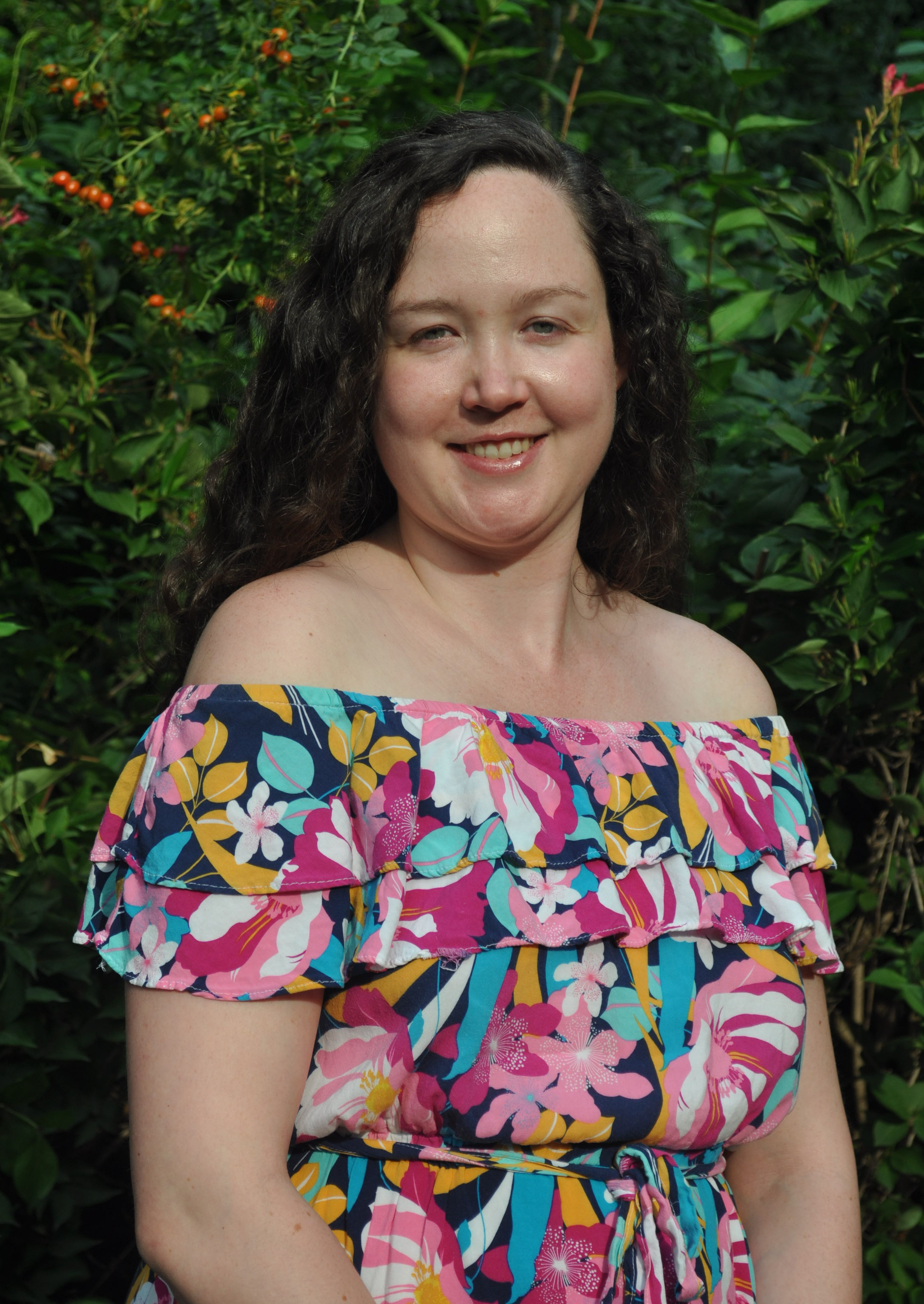
Meet Mary Brydon-Kehoe, Programs Chair
Mary recently transitioned to a career in freelance editing and is working on getting her agency, Elixir Editorial, off the ground. She studied English and antiquity at the University of Toronto and is currently honing her editorial skills through the professional editing standards certificate program at Queen’s University. Mary has been a writer for most of her life and has a great love for speculative fiction. Her various interests include role-playing games, singing, and aviation.
What kind of editor are you? Tell us a bit about your experience.
Over the last year or so, I took the plunge into freelance editing from a corporate career. The move was a long time coming, and I’m sure it was no big surprise to those close to me, especially considering the very vocal support I received (and still receive!) from loved ones, friends, and former colleagues in pursuing what has been a lifelong dream.
I held a lot of different roles before I got into editing professionally – in project management, learning and development, and human resources, just to name a few – but one of the most consistent tasks I did, regardless of my title, was editing. So while I am still formalizing my knowledge of various industry standards, I’m no stranger to the core functions of an editor.
I’ve been pleasantly surprised to learn just how relevant my experiences beyond editing are in this profession – even now that I’ve shifted from editing corporate materials to editing fiction (in various genres, but largely fantasy, horror, and science fiction) and creative non-fiction. Editing also emphasizes building relationships and helping people achieve their goals.
While I’m drawn to structural and stylistic editing, I’ve also been developing a book-coaching service to round out my repertoire. This is quite characteristic of my people-centric professional background and personal inclinations. I truly believe the key to a writer’s success is a strong support network, and it’s my mission to help them develop that.
What is your favourite part of the role you hold on the executive committee (or the “exec,” as we call it)?
I started serving as programs chair at the beginning of this season. A big part of what drew me to the role was that it got me involved with the broader editing community. Between reaching out to our speakers, facilitating discussions, and taking part in the exec, I get to work alongside colleagues I might never have met otherwise.
Though I’m still fairly new to my role, I’ve already had lots of opportunities to meet other industry professionals, and I consider myself very lucky for it. Similar to writing, editing can feel isolating unless you actively connect with, and build your community. And at the end of the day, spending time together allows us to learn more from one another, and really dig into what it means to be an editor. I’m grateful that I not only have these opportunities but also can help provide them for others.
Give us an elevator pitch for your role.
The programs chair role is perfect for someone who wants to become familiar with and to the editing community. You’ll get to carve out a space where editors and other industry professionals can come together to develop their knowledge and skills.
Like a number of exec roles, the programs chair will have a chance to flex their skills in communication and project management over a relatively tight turnaround schedule, but with a special focus on professional development. Those who thrive in a public-facing role (or are looking to get comfortable in one!), have a pulse on topics of interest in the community at large, and a skillset in moderating discussion, will be well suited. It also doesn’t hurt if you have a little technical know-how and some improvisation skills!
I’d recommend the role to anyone who fits what I described above, but perhaps especially to those getting started in their editing career. It’ll provide you with a lot of opportunities to get to know your fellow editors while giving you a chance to expand on your skills in a safe and supportive environment.
What’s your favourite part of an exec meeting?
Just after I attended my first exec meeting, I came out of my office and declared to my husband that I had found my people, so that ought to tell you something! It’s a pleasure to work with such a welcoming team. Like I mentioned, we don’t always get to talk to our fellow editorial colleagues, but when we do, it can be magical.
Besides that, I have to give a shout out to my fellow committee members and those who came before me because, as someone who values organization and documentation, the whole team has done and continues to do a marvelous job of it.
If you didn’t have your role on the exec, what role would you pick?
I’m pretty happy in the role I have now, of course, but if I had to choose another, the co-chair role piques my interest. I really admire our current co-chairs, Gulsum Salimova and Adrienne Bartl, who do an amazing job of leading the exec, improving processes, and providing support to the individual committee members. There are a lot of responsibilities to the role, but it also seems incredibly fulfilling. My professional background could be relevant for it, but I think I’d need more industry experience first.
This article was copy edited by Amy Scanlon Boughner, a communications professional and freelance editor living in Ottawa. She is currently enrolled in courses to complete the certificate in professional editing standards at Queen’s University and is working on launching her website, EhEssBee Edits.

 BoldFace