In this series, editors share their experiences, insights, and tips on the practical aspects of working as an editor. In some of our previous “Editors Advise” instalments, our contributors have shared their thoughts on various topics, including editorial niches and professional development and webinars. For this edition, three editors share their advice for formatting their editing résumés.

Editors Advise: How do you format your résumé for editing opportunities?
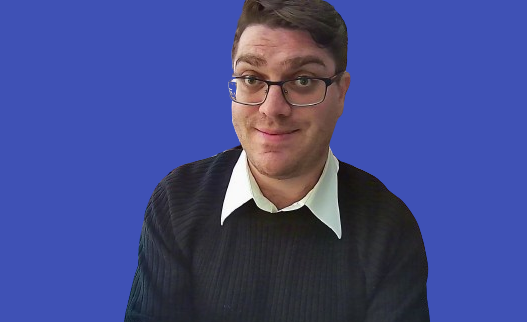
Alex Benarzi, freelance structural, stylistic, and copy editor, and content writer based in Calgary
I have had several jobs since leaving school almost 15 years ago. This has forced me to refine my résumé. I watched YouTube videos and worked with professional résumé writers. What I found works best when seeking editing jobs is for my resumé to be concise, visually accessible – and, of course, thoroughly edited. My résumé begins with a professional summary tailored for each job to best match desired keywords. I then outline my professional and technical skills, provide a testimonial from a client, and round out my first page with my certificates and degrees. The next page or two (depending on the job) is dedicated to my experiences.
The challenge with editing is that focusing solely on the work can be repetitive and uninspiring. Simply saying that you provided copy edits for multiple projects doesn’t make you stand out to potential employers. I found two ways to overcome this obstacle. First, I put people over the project. I highlight the connections I was able to make with my clients or employers to best demonstrate the value I add. Second, I use the “challenge, action, results” model to demonstrate how, more than doing the work of an editor, I am an innovator who is skilled at solving problems. The best freelance editing jobs are those that arise from conversations. When I do need my résumé, I am typically competing against the algorithm to be noticed. The more I can do to bypass the filters and stand out, the better.
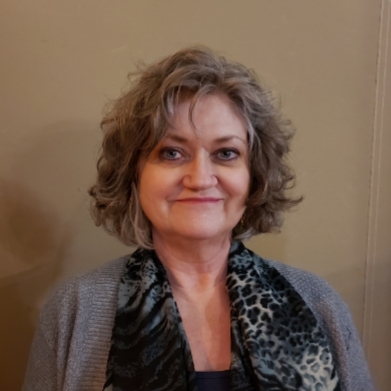
Donna-Lee Wybert (she/her), writing consultant, editor, and owner of TextualMatters, specializing in the social sciences and humanities
Résumés are interesting writing and editing projects: they must give a glowing but accurate depiction of the person’s skills, experiences, and ambitions; follow a recognizable form; keep to tidy and tight language; and ideally reflect the person’s voice. In comparison, CVs must provide a full inventory of everything the person has done, so they are exhaustive and generally lengthy. I’ve worked on many tenure application dossiers for academic clients, so I know the CV genre, but I’ve also worked with professional clients to revamp their résumés.
So, what do I personally use? Well, for an extra challenge, mine is a blend of a résumé and a CV. These days, most of my work comes to me through prior clients, my network, contacts at various universities, or my website Textual Matters. However, as I work largely in the academic space, whether with individuals or institutions (though I also edit creative and business projects from time to time), I’ve occasionally applied for institutional opportunities. These submissions include various materials, along with my résumé/CV – which needs to both show my professional experience as an editor and writing consultant, but also demonstrate some academic cred. That’s a lot to do!
This document is a résumé because it begins with branding/summary statements, followed by my professional editing experience bundled under themes for disciplines, roles, and project types. I’ve organized this info in reverse chronological order, from my work as a freelancer through TextualMatters, to other positions I’ve had related to editing. In broad strokes, this adheres to the hybrid résumé style. On the other hand, it’s also a CV because of the level of detail and some additional sections I include that cover aspects such as my disciplinary areas of study, memberships, professional development, conference papers, and grants/awards. What I love about this blended style is how it also serves as a meaningful record of my professional life.
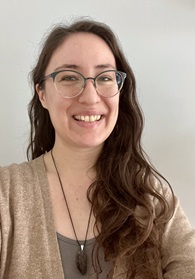
Erin Della Mattia, freelance editor, specializing in books for young readers
Because I don’t have much formal/paid work experience, I use a CV (with brief descriptions of my roles) to highlight the experience I do have. I create my CVs on Canva, which allows me to save them as PDFs and be mildly creative by using my “brand font” and a variation of my brand colour. I keep the CV to one page. On top are my name and contact info. I have two columns. On the left side is Editing Experience: my current role followed by volunteer roles (I do label them as volunteer positions), and finally a paid research assistant role from my MA. On the right side I have four headings: Education, Other Certification, Memberships, and Awards and Distinctions.
I recently co-authored a book, and since it’s in the same field as my specialization (children’s books) perhaps I should introduce a Publications section somewhere. But I’d have to cut something else out. I like to keep it simple and focused. If I want to share some extra, quirky detail about myself, I’ll save it for the cover letter or email. For instance, I read tarot cards, which is relevant to editing tarot decks and other New Age or occult material, but because it’s just a hobby and not something I do professionally, I don’t include it in my CV. But maybe I should?
This article was copy edited by Joyce Chung (she/her, they/them), a copy editor and technical editor in Vancouver, British Columbia.

 BoldFace